Transformers / TMZ

Dry-Type Transformers (TMZ)

Safe and environmentally friendly cast resin solutions for facilities with enhanced requirements

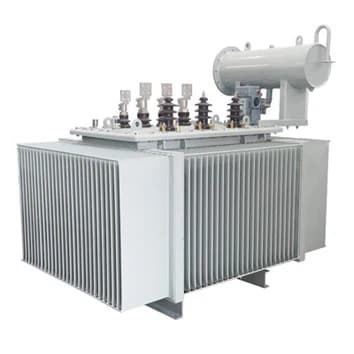
Dry-type transformer

Product Overview

Cast resin dry-type transformers provide the highest level of fire safety and environmental friendliness for critical facilities.

Main Advantages

  • Absolute fire safety
  • Environmentally clean materials
  • High IP protection class
  • Virtually maintenance-free

Safety and Environment

Fire Resistance

F1 class fire resistance

Environmental Friendliness

No harmful substances

IP Protection

Up to IP54 for outdoor installation

Installation Environments

Medical Facilities

Hospitals, clinics, diagnostic centers

Educational Institutions

Schools, universities, kindergartens

Commercial Buildings

Shopping centers, office buildings, hotels

Residential Complexes

High-rise buildings, cottage communities

Extended technical overview

Dry-type TMZ transformers are designed for sites with strict fire-safety, environmental, and indoor-placement requirements. Cast-resin insulation and oil-free construction reduce operational risk and simplify deployment in public, healthcare, and commercial buildings.

From an owner perspective, the main benefit is operational control: reduced routine maintenance, no oil-service procedures, and easier inspection access. This is especially relevant where installation space is limited and safety compliance requirements are non-negotiable.

Design and operating details

Fire safety and compliance profile

Dry-type units are commonly selected where internal fire-safety standards are strict. Oil-free architecture lowers fire load and often simplifies regulatory alignment for indoor electrical rooms.

Installation environment requirements

Engineering design should account for ventilation, enclosure protection class, dust level, and thermal regime. Correct placement and service access are essential to maintain performance over lifecycle.

Operating cost behavior

Although initial CAPEX may be higher than some oil-based options, lifecycle service costs can be lower due to simplified maintenance and reduced risk overhead in indoor facilities.

Best-fit application profile

Typical fit includes hospitals, educational facilities, retail centers, office buildings, residential complexes, and safety-critical process zones.

Comparison with oil-immersed transformers

CriterionDry typeOil type
Fire risk profileLower due to oil-free architectureRequires additional fire-protection measures
Indoor deployment fitUsually preferredCommonly outside or separated technical zones
Routine maintenanceSimplified, no oil-service routinesIncludes scheduled oil-condition checks
Initial budgetOften higherOften lower

FAQ

Where does dry-type deliver the highest value?

In indoor facilities with strict fire-safety, environmental, and space constraints.

Is TMZ suitable for critical loads?

Yes, when sizing, redundancy, and ventilation assumptions are engineered correctly.

What are the main criteria when choosing dry vs oil?

Primary factors are installation location, fire requirements, CAPEX/OPEX priorities, service model, and load profile.

Detailed practical deep dive

Dry-Type Transformer Solutions

Dry-Type Transformer Solutions should be treated as an investment decision, not just a single purchase event. In the context of indoor installations with strict fire-safety and environmental constraints, teams need to define reliability, safety, and delivery objectives before execution starts. In practice, facility engineering, safety officers, installers, and operating maintenance teams align on measurable success criteria, document critical constraints, and assign ownership boundaries that prevent late confusion. This discipline turns a potentially reactive project into a controlled program with predictable decision gates and less downstream rework.

The technical execution model has to stay explicit from day one. A practical scope includes application fit analysis, ventilation and placement planning, integration, and long-term operation strategy. A realistic planning window is project timelines from weeks to months with strong dependence on building readiness. Before field work begins, teams should lock quality checkpoints, switching sequence assumptions, and final acceptance deliverables. When this preparation is done properly, engineering and operations can execute with fewer surprises, while project leadership gets transparent timeline visibility instead of optimistic assumptions that collapse during commissioning.

Risk control is usually the biggest determinant of schedule confidence. Typical threats in this area are incorrect placement conditions, thermal stress from poor airflow, and specification mismatch. The mitigation baseline should combine structured governance and operational readiness: condition checks, cleaning discipline, thermal monitoring, and documented safety inspections. Teams should also validate compatibility with existing infrastructure, define fallback scenarios, and make escalation ownership unambiguous. Projects with this level of rigor usually avoid cascading delays and costly corrections that appear when decisions are postponed until the final weeks.

Commercial decisions should be based on lifecycle logic rather than headline price only. For this topic, the economic frame is higher upfront cost balanced by simplified maintenance and lower risk exposure indoors. When this is modeled correctly, owners typically achieve safer indoor operation, lower environmental risk, and reliable performance in public facilities. Compliance remains a hard boundary: indoor electrical standards, fire-safety policy, and installation acceptance records. Treating compliance as a late checklist item often creates avoidable launch friction, while integrating it early improves approval speed and protects long-term operational stability.

Execution quality improves materially when technical, commercial, and operations teams review decisions in one cadence. A practical reference point is modernization of an indoor distribution room in a hospital-grade environment. Programs run this way usually end with more than a completed contract: they deliver reusable documentation, maintainable operating routines, and a credible foundation for future capacity expansion without restarting analysis from zero.
Owner-side control checklist

  • Confirm project context: indoor installations with strict fire-safety and environmental constraints.
  • Lock the delivery scope: application fit analysis, ventilation and placement planning, integration, and long-term operation strategy.
  • Validate timeline and major milestones: project timelines from weeks to months with strong dependence on building readiness.
  • Document primary risks: incorrect placement conditions, thermal stress from poor airflow, and specification mismatch.
  • Approve execution control model: condition checks, cleaning discipline, thermal monitoring, and documented safety inspections.
  • Model lifecycle economics: higher upfront cost balanced by simplified maintenance and lower risk exposure indoors.
  • Verify compliance boundary: indoor electrical standards, fire-safety policy, and installation acceptance records.
  • Define target outcomes and KPI set: safer indoor operation, lower environmental risk, and reliable performance in public facilities.

FAQ

Where should planning start for "Dry-Type Transformer Solutions"?

Start with a compact technical baseline and measurable business targets. Then lock scope (application fit analysis, ventilation and placement planning, integration, and long-term operation strategy) and timeline assumptions (project timelines from weeks to months with strong dependence on building readiness) before field execution begins. Assign accountable owners early so engineering, procurement, and operations decisions move in one cadence instead of creating late-stage approval bottlenecks.

How do teams reduce delay and rework risk?

The most effective method is to formalize risk control before execution. For this topic, key threats are incorrect placement conditions, thermal stress from poor airflow, and specification mismatch. Teams should define quality gates, escalation paths, and stage-transition criteria in writing. Projects that do this upfront typically avoid cascading corrections and commissioning-stage surprises that consume budget and schedule.

What financial model should be used for decision-making?

Use lifecycle economics rather than upfront price only. A practical frame is higher upfront cost balanced by simplified maintenance and lower risk exposure indoors. This reveals the true impact of the decision on operating expense, outage exposure, and long-horizon reliability. It also makes cross-functional approval easier because technical and financial tradeoffs become transparent and defensible.

Commercial support

Need a dry-type transformer?

We'll select the best solution for your facility considering all safety requirements